In today’s fashion world, photography is far more than simply pointing a camera and clicking. It’s where style meets storytelling — where garments, models and light come together to form a narrative that transcends mere product shots. On one hand there’s the glamour of the runway; on the other, intimate moments caught on film — and bridging those two is the heart of editorial fashion photography.
For creatives working in fashion photography, whether you’re the photographer, the stylist, the model or even the brands you serve, success lies in mastering both artistry and technical craft. Let’s explore the key essentials.
1. Narrative first, trend second
Great editorial fashion photography isn’t just about the latest silhouette or colour palette. It’s about telling a story. Look at the portfolios of leading image‑makers: they showcase not only stunning clothes but an emotional journey, a visual atmosphere, a sense of place and moment.
When you approach a shoot, ask: What’s the mood? Who is the character wearing this outfit? What happens just before the shutter clicks? By answering those questions, you transform a passive pose into active storytelling.
2. The role of the portfolio
Your portfolio is your calling card. It’s where you curate your vision and communicate it to clients, stylists, brands and collaborators. In the fashion world, where first impressions matter, your online presence often defines whether you’re considered or overlooked.
An effective portfolio features:
- Strong, diverse work that demonstrates your range while staying true to your style
- A clear, intuitive layout and consistent editing
- A sense of cohesion — each image supports your identity as a creator rather than diluting it
In short: your website should feel like a gallery of your best thinking, not simply your best shots.
3. Workflow matters
Behind the glamour of fashion imagery lies the groundwork: planning, gear prep, lighting decisions, client communication, post‑production and archiving. Every successful shoot emerges from a smooth, professional workflow.
You’ll want to build processes around:
- Pre‑production: verify brief, hire team, scout location, prep wardrobe
- On‑set: keep communication sharp, direct poses, adapt to surprises (weather, light, timing)
- Post‑production: consistent editing, colour grading, retouching—and know when not to over‑retouch
- Delivery & archive: ensure clients receive final assets cleanly; retain backup versions for future reference
When you streamline these elements, you free your creativity to focus on the imagery itself.
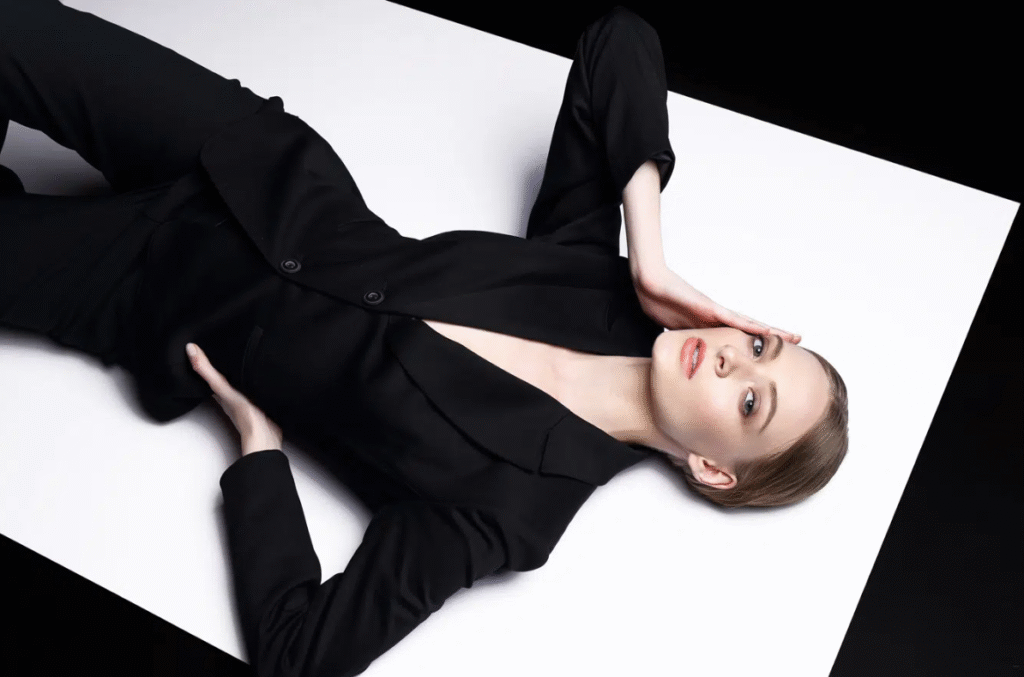
4. Pose, composition and subject direction
In editorial fashion work, pose and composition are far more than classic “stand‑and‑smile”. They are tools to evoke emotion, highlight garments, define character and engage viewers.
Seven essential pose types emerge repeatedly in high‑impact shoots — from strong angular stances to relaxed movement‑based gestures. Mastering these enables you to direct confidently and achieve more consistent results. Ultimately, your subjects should look intentional rather than awkward. Their body language must reflect the story, the styling and the mood.
5. Building a standout site
Your website is your professional identity. In an industry where collaboration and visibility count, your site must speak clearly and authentically.
Consider:
- Choosing a clean theme that doesn’t distract from your images
- Organising your work by project or concept rather than simply by year
- Including fewer but stronger images rather than abundant average ones
- Ensuring mobile‑ and performance‑optimisation (many clients will browse on phones)
Your online portfolio is not a side‐hustle; it’s the first handshake with the industry.
6. Continuous inspiration and evolution
In the fast‑moving arena of fashion photography, staying current is essential. Follow major events like the big fashion weeks, but also keep your eye on emerging photographers and styles. Some of the best portfolios are reactionary—picking up where trendwear leaves off, injecting voice and perspective into what’s familiar.
Use these insights to:
- Experiment with lighting, colour and framing
- Offer alternative looks for clients who want something fresh
- Combine commercial sensibility (brand briefs, clear messaging) with artistic integrity
For fashion creatives ready to elevate their craft, the message is clear: build a vision, refine your workflow, direct with purpose and present your work with professional polish. If you make your portfolio a place where inspiration becomes reality, you’ll begin to operate at the intersection of fashion and storytelling.