Editorial photography encompasses the images you encounter beside text in magazines or online publications. These photographs are not simply decorative—they support narrative, create mood, and extend the story the words tell. Whether accompanying a news feature, a restaurant review, or a fashion spread, the goal is to enhance the text visually, not to sell a product directly.
What Editorial Photography Really Means
In its essence, editorial photography is about collaboration with text. These images serve the story. You might be asked to document a new restaurant: showing the interior, the chef at work, a dish being plated. Or you may be photographing a music festival: capturing the crowd, the performers, the venue’s atmosphere. Though the line with photojournalism can blur, editorial photography tends to lean toward subjectivity, taking creative liberties in composition and mood—rather than the strict “what you see is what happened” approach of journalism.
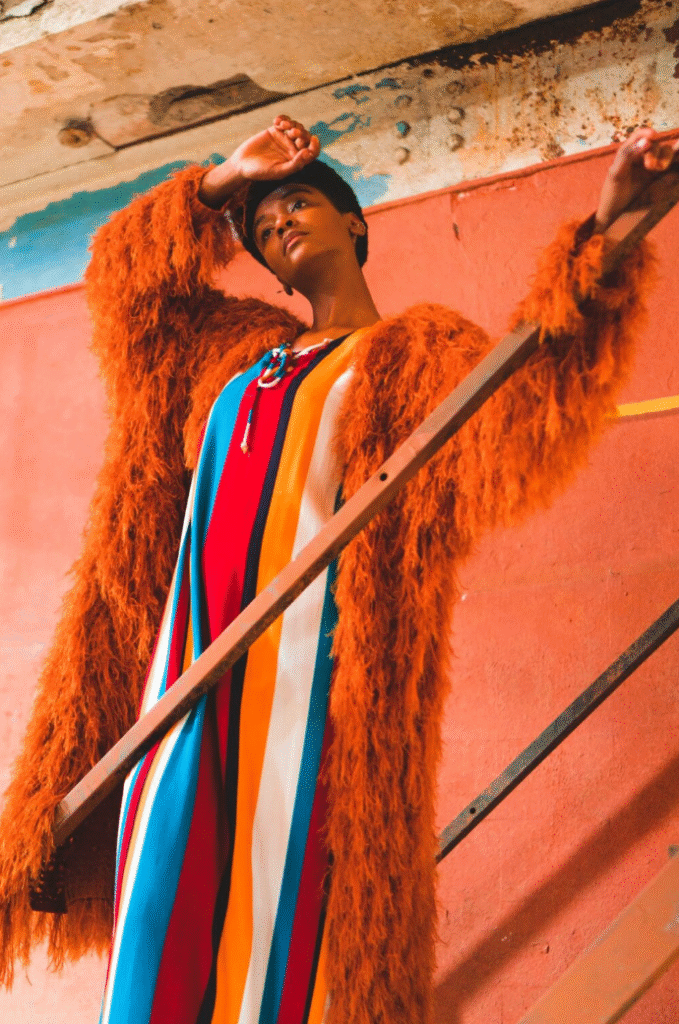
Editorial Fashion Photography—A Special Case
When you apply editorial principles in fashion photography, the approach shifts. In fashion editorials, images often appear as multi-page spreads with minimal or no accompanying text. The clothes, the styling, and the models tell the story themselves. Here the photographer collaborates closely with stylists, setting the tone, emotion, and personality of each image. If you’ve been drawn to fashion imagery, working in editorial fashion photography is an excellent way to sharpen your creative voice and expand your portfolio.
Editorial vs. Commercial Photography
It’s vital to draw the distinction between editorial and commercial work. Commercial photography is oriented toward sales—used in advertisements, brochures, websites—its primary purpose is marketing. The style tends to be more polished and controlled to push a product or brand. On the other hand, editorial photography is driven by narrative and visual storytelling, not by commerce. Licensing is different too: for commercial use you typically need model releases; without them images are restricted to editorial use only. A photographer capable of both styles can demonstrate range and versatility in their portfolio.
How to Shoot Great Editorial Photography
Breaking into editorial photography requires creativity, flexibility, and professionalism. Here are some key practices:
- Choose the right gear: A full-frame DSLR, paired with versatile prime lenses (e.g., 45mm f/1.8 or 75mm f/1.8) gives you depth of field and flexibility across assignments.
- Keep your kit lean and mobile: Many editorial shoots demand adaptability—fast setups, changing lighting, unpredictable environments. Keeping your gear portable and ready means you can respond quickly when the moment arises.
- Follow the brief—but make it yours: Editorial assignments come with creative briefs. They’ll outline the narrative and visual goals. Fulfilling those requirements is non-negotiable. Yet within that frame you’re expected to bring your own angle—shape a story visually that reflects your perspective.
- Be punctual and adaptable: Professionalism matters. Meet deadlines, show up on time, and remain agile on the job. Unexpected challenges will occur—lighting changes, equipment issues, location hiccups—adaptability will set you apart.
- Post-process with intent: Clients in editorial expect polished results, not raw files. Use editing tools like Lightroom or Photoshop to fine-tune composition, lighting, color, and mood. This phase is integral to presenting work that aligns with the visual narrative you’ve created.
What Do Editorial Photographers Earn?
Compensation in editorial photography varies widely. Many photographers operate on a freelance basis—job to job. According to averages, editorial photographers earn around USD 47,000 annually—but this figure can swing significantly based on client budgets, assignment scope, and publication type. In larger markets, a magazine might pay CAD 500 to CAD 1,500 for a photo series; smaller publications may pay far less. Combining editorial assignments with commercial work, or selling image rights as stock photography, can help maintain stable income and broaden your opportunities.
How to Land Editorial Work
Launching your editorial photography career begins with a strong online presence. Ensure you have a portfolio that is curated, visually compelling, and clearly editorial in character. Use a dedicated website to showcase your best work, demonstrate your narrative range, and make it easy for clients to find you. Additionally, network with magazines, editorial agencies, and style- or content-driven publications.
Your portfolio website is not just a gallery—it’s your introduction to the industry. Make sure it reflects your voice and versatility. When you’re ready, submit your best work, build your reputation, and stay open to assignments that stretch your creative boundaries. As you accumulate experience, keep refining your style, growing your network, and challenging yourself with new narrative opportunities.