When I launched my blog, it was driven by three passions: cooking, writing, and indulging in good food. The blog gave me a way to bring all three together—something I was doing anyway, but with more decadence and freedom than usual. What began as a simple place to store recipes and share meals with friends gradually evolved into something more refined.
Despite enjoying steady traffic over the years, I noticed a jarring weakness: my food photos were mediocre at best. Suddenly I found myself comparing my pictures to those of high-end blogs that made dishes look utterly irresistible. It became clear: if I wanted the blog to grow, I had to up my photography game.
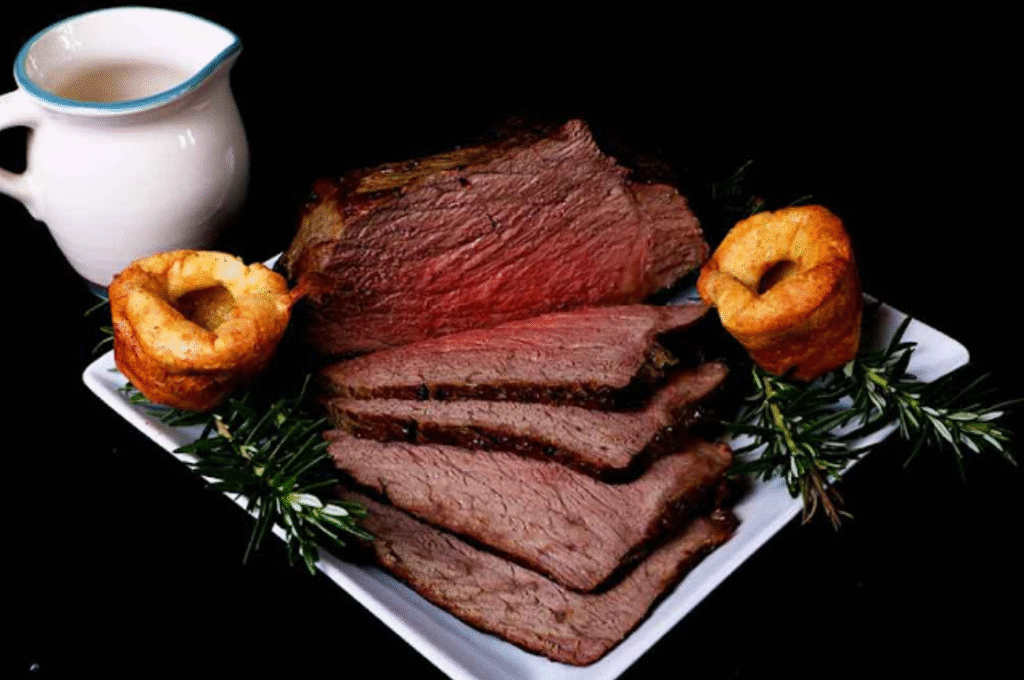
The turning point came when I began to research how other food bloggers and photographers captured the magic. I invested modestly in equipment—strobes, stands, umbrellas—and committed to shooting intentionally rather than snapping whatever lighting was available. Almost immediately the results improved. The shots looked richer, the textures popped, and I felt a degree of satisfaction I hadn’t before.
One of the most powerful lessons: light matters, and so does presentation. A photo taken in natural window light will often outperform one taken with on-camera flash under yellow indoor lighting. Using a light source at a 45-degree angle introduces shadows that define depth and texture—making food look tactile, real, drool-worthy. In contrast, flat, front-facing flashes neutralize texture and flatten the scene.
Here’s a story from one of my shoots: a bowl of strawberries. The version taken with on-camera flash looked flat and uninspiring; switch to a single strobe placed off to the side, and suddenly the strawberries jumped out—they had dimension, they had seeds you could imagine biting into. Another example: eggs and cutlery shot under a pop‐up flash looked dull, but when I lit them with studio strobes it transformed them—shells had visible texture, surfaces gleamed, the whole scene came alive.
Still, even with better lighting, styling remained a work in progress. Arranging props, garnishes, backgrounds—it’s an art in itself. While I hadn’t reached magazine-cover quality, I could clearly see progress. The difference between the “old” photos and the “new” ones was noticeable, and I wanted to mark that transition on the blog. Thus I made a conscious decision: shoot everything new with this improved method, and gradually retire the earlier sessions.
The gear setup I settled on was modest and cost-effective. Two strobes with stands and umbrellas, a wireless trigger, and a homemade tabletop backdrop made with PVC pipe and a bolt of cloth—all for under $200 in total. It wasn’t about having the most expensive gear—it was about using it well.
Two websites were indispensable during this journey. One offered dedicated food-blogger tips on lighting and composition; the other provided education on using strobes in practical settings. With these resources and consistent practice, the technical side of the blog improved substantially.
My aim wasn’t perfection—it was progress. I’m still refining the presentation, still learning styling, still experimenting with angles and props—but the visual evolution of the blog gives me confidence. If you’re capturing your meals for an audience—whether friends, followers, or readers—focus first on lighting and presentation. Everything else matters, but those two are foundational.