Fashion photography is a vibrant intersection of art, style and visual storytelling. Whether you’re a hobbyist or aspiring pro, mastering this niche means understanding not just the gear, but the people, lighting, mood and narrative behind each image. Below, we walk through ten essential strategies that will help you create fashion photographs that resonate and make an impact.
### 1. Start with the Right Gear
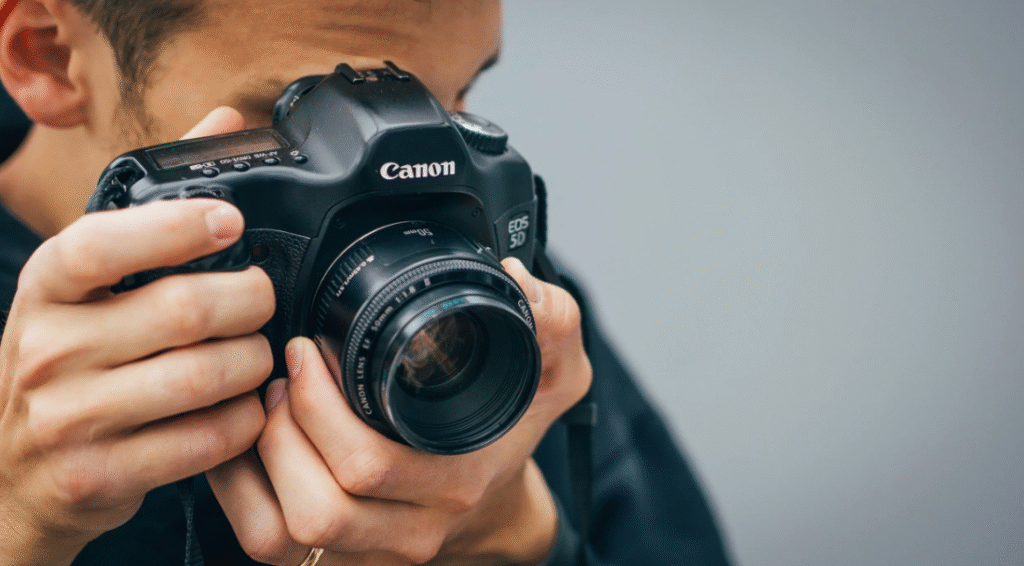
Your camera equipment sets the foundation for your work, but it doesn’t have to break the bank. A capable DSLR or mirrorless camera will serve you well. For instance, the Canon 5D classic is a strong entry‑point, while stepping up to something like the Canon 5D Mark III will give you more professional flexibility. Focus lenses are equally important: a 50 mm prime works well for street‑style or environmental portraits, while an 85 mm lens is ideal for controlled studio fashion shoots.
The key: keep your essential gear simple and high‑quality. Nesting your creative skill on top of solid equipment gives you the freedom to focus on your vision.
### 2. Understand Composition and Lighting
In fashion photography, how you frame your subject and light the scene makes all the difference.
- Eyes matter: Getting crisp focus on the model’s eyes draws the viewer in and adds emotional impact.
- Quality light: Aim for bright, clean light to keep ISO low and avoid grainy images.
- Experiment with angles: Don’t always shoot eye‑level — try from high, low or dynamic angles to add energy and depth.
Good composition and lighting don’t just enhance a photo—they become integral to the story you’re telling.
### 3. Nail Your Camera Settings
Technical mastery gives you control. Here are some recommended starting points:
- Use an aperture around f/5.6 for a nice separation from background while keeping important facial features sharp.
- Keep ISO low to minimise noise—especially important in skin‑tones and fine detail.
- Use a fast shutter speed to freeze movement and ensure sharpness, especially when your model or clothes are in motion.
These settings can flex depending on the conditions, but they form a solid baseline for fashion shoots.
### 4. Develop a Signature Style
The standout photographers in fashion are those who bring a recognisable personal vision to their work. Study the masters—icons like Annie Leibovitz or David Bailey—and absorb how they handle mood, composition, colour and narrative.
Then, experiment with sub‑genres: editorial fashion, high‑fashion studio, outdoor fashion, street fashion. This exploration will help you find your niche—and once you do, you can lean into it and build a consistent aesthetic.
Having a distinctive style isn’t about copying; it’s about embracing your own visual language.
### 5. Post‑Processing: Make It Your Own
Once the shoot is done, your editing process seals the deal. Use tools like Lightroom and decide how you want your final images to feel—clean and minimal, film‑like, high‑contrast, soft and dreamy. Presets or custom edits can speed your workflow, but make sure your finishing touches reflect your style.
Post‑processing is not just “fixing” images—it’s refining them so that the final output aligns with the story you set out to tell.
### 6. Build Collaborative Relationships
Fashion photography is inherently collaborative—models, stylists, makeup artists, location scouts, assistants. Building a network of trusted creatives helps you fire on all cylinders.
Attend workshops, industry meet‑ups, photo‑walks. These are not just networking opportunities—they’re also creative sparring grounds, where you can test ideas, gain feedback, and evolve your voice.
### 7. Direct With Confidence
Your subject needs to be comfortable, confident and engaged for strong fashion imagery. To make that happen:
- Clearly communicate your creative vision.
- Demonstrate poses and movement (sometimes stepping in front of the camera yourself helps).
- Encourage your model throughout, provide direction and keep the atmosphere upbeat.
When the model trusts you and understands what you’re doing, the images become far more alive.
### 8. Scout Thoughtful Locations
Whether you’re in a studio or outdoors, location plays a defining role. Look for spaces where:
- The background supports the subject without distracting from it.
- The lighting conditions are favourable—natural light is often best, but be prepared with artificial options.
- You have permissions where needed—public or private locations may require release forms or permits.
The right location can elevate a good image into a great one.
### 9. Curate and Update Your Portfolio
Your portfolio is your calling card. Create a clean, easy‑to‑navigate website and ensure it shows your best work across a variety of styles and techniques. Be consistent, but also showcase your range—clients will want to see versatility. Update regularly with new projects so your portfolio remains fresh and relevant.
### 10. Stay Ahead of Industry Trends
Fashion photography is always evolving—new styles, new platforms, new expectations. Stay curious: follow fashion magazines, blogs, social media, and attend events or workshops to keep learning. The more you observe and adapt, the more your work will resonate with current tastes—while still maintaining your unique voice.
Becoming a truly effective fashion photographer doesn’t happen overnight—it’s a process of consistent learning, creative experimentation and commitment. But by focusing on gear, composition, lighting, style development, editing, collaboration, direction, location, portfolio building and trend‑awareness, you’ll be equipped to create fashion images that not only capture attention but tell a story.