Fashion photography is one of those fields that blends nearly every photographic skill: crafting imagery that spans from storytelling and set design to portraiture and precise lighting. You’re telling a story about a product or a look, while collaborating with stylists, models, makeup artists—and yet, you’re also the director of the moment. That duality is what draws many to the genre. Here, five fashion photographers share how they got their start and why they continue to love what they do.
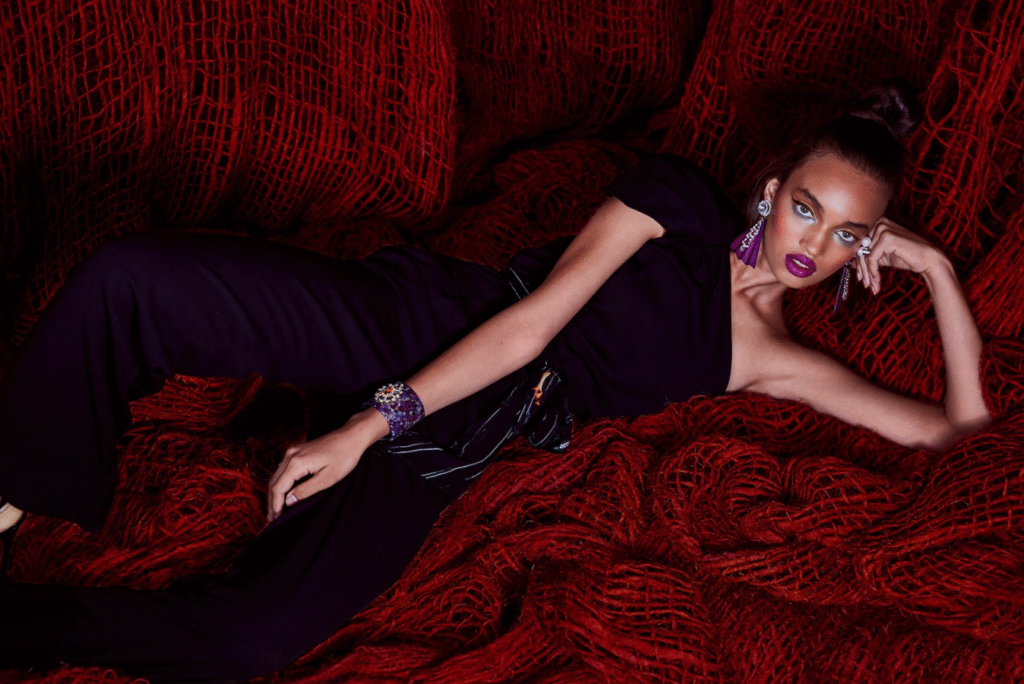
1. Kristina Varaksina
Based in New York, Kristina describes herself as an “award‑winning photographer” who has extensive experience in both fashion and advertising. What she values most is the ability to create imaginative, often surreal worlds with her subjects. She sees fashion photography as the perfect playground for these fictional narratives—she builds the set, chooses the props, directs the actors. She emphasises that aspiring fashion photographers should think of themselves as art directors: you’re not only controlling lighting or lens choices, but also location, wardrobe, hair, makeup, posing and post‑production. Although fashion shoots are collaborative by nature, you are the one who says “we got it” when the image works—and also the one who stops the shoot when something isn’t right. The stronger your eye for the full picture (big picture plus tiny detail), the better the result.
2. Adam Wamsley
Located in Brooklyn, Adam brings a slightly different emphasis: for him, it’s about communication and exploration. He says he “truly loves what I do” and believes this enthusiasm shows up in the work. His process begins with understanding the client’s needs: that clarity of communication guides him to deliver a final product that meets—or exceeds—expectations. Whether he’s working with a large creative team or photographing a more intimate editorial portrait, each project brings its own intrigue. He thrives on interaction, fun, and curiosity, which allows him to make “powerful, detailed, and dynamic” images.
3. Hélène Wiesenhaan
Operating out of Amsterdam, Hélène is a self‑taught photographer who has been working professionally for over two decades. She prefers daylight over artificial light and seeks relaxed, natural dynamics on set—her models feeling at ease is something she values. She hasn’t copied anyone else’s style; she’s followed what felt authentic to her. Her advice is simple but powerful: take the scary jobs, even if they push you beyond your comfort zone. Each project becomes a training ground, and over time you grow by doing, not just waiting for the perfect opportunity.
4. Adnan Hanif
Based in Dubai but working globally, Adnan is recognised for his fashion portraits that elegantly combine mood, light, shadow and texture. He began his journey through a different path—he initially studied graphic design and animation, then discovered photography almost accidentally. His early appreciation of images and magazines, combined with a technical mindset, led him to the craft of capturing people. He asserts that each face tells its own story; good fashion photography is both artist and technician, vision and craft. Over time, experimentation with light and shadow has sharpened his eye, and his commitment to photographing the human subject remains central.
5. Ari Rossner
Practising in Paris with more than 20 years of experience, Ari brings a “French touch” to his imagery. He mostly shoots in studio, but he also travels abroad to explore cultural variation and broaden his subject matter. His work spans beauty and fashion campaigns, and his curiosity about new places and people drives him to keep evolving. For Ari, being rooted in a high‑expectation market like Paris means the bar is high—and that pushes the creative stakes. He alternates between studio and real‑world settings, so his images reflect both precision and adventure.
What unites them?
Despite their different locations and styles, a few common threads emerge:
- Vision as director: Whether you’re a novice or seasoned photographer, fashion work demands seeing beyond the shutter. As Kristina says, you must think as an art director. That means wrangling lighting, set design, wardrobe and more.
- Communication and collaboration: Adam’s emphasis on understanding client needs, or Hélène’s focus on comfort on set—both highlight that photography is a team sport. The photographer leads, but the image is born of synergy.
- Authenticity and voice: Hélène didn’t copy anyone else’s style; she followed what felt true to her. Adnan combines graphic sensibility with portraiture. Each of these photographers discovered the elements that resonated with them—and then leaned into it.
- Growth through doing: Taking chances, doing the uncomfortable job, experimenting with light and props—this is how these photographers improved, not through waiting but through action.
- Storytelling through people: More than just pretty dresses or glossy surfaces, fashion photography is about capturing personalities, moods and narratives. Adnan emphasises that each face is unique; Ari explores cultural texture and environment.
For budding fashion photographers (or creative professionals in general):
- Adopt the mindset of an art director: don’t just snap the image—conceptualise it.
- Prioritise communication: understand your brief, your client and your collaborators.
- Be yourself: develop a visual voice instead of mimicking what’s trendy.
- Embrace the uncomfortable: take shoots that stretch you.
- Focus on humans: the story you tell through a subject often makes the difference.
Fashion photography isn’t just about equipment or hiring big models. It’s about vision, execution and human connection. When you combine those elements, you’re not simply producing images—you’re creating worlds that people want to view and engage with. These five photographers show that there is more than one path into the industry, but the principles remain consistent: creativity grounded in personality, polish grounded in craftsmanship, and images grounded in story.