When a customer scrolls through an online store and stops at a product photo, that image has the potential to either spark interest—or cause them to move on. Nowhere is this more true than in the world of food products. Excellent food-product photography has the power to make an item look irresistible, and when executed well, it can translate directly into increased sales and stronger brand appeal.
What exactly is food product photography?
Food product photography isn’t simply about snapping a nice picture of food—it’s about conveying texture, freshness, flavor, and story in a single frame. Whether you’re capturing jars of jam, crisp snack bags, or gourmet meal kits, this style of photography serves to elevate the product from shelf to screen in a way that invites choice and connects emotionally. It spans several sub-styles—each tailored to a different purpose: clean product shots (often shot in studio), dramatic advertising images, narrative editorial frames, lifestyle scenes, and more.
- Product photography (pack shots): This is the technical, studio-controlled side of food photography: the product isolated against a clean background so it can be used in e-commerce, print campaigns, packaging, etc.
- Advertising photography: Here the goal is punch and emotion. Bold composition, props, mood lighting—a manner of elevating the food into a story or feeling, whether for billboards, digital ads or banners.
- Editorial photography: This tells a story—perhaps a chef plating the dish, a piece cut in half, a spoon diving in. It’s less “look how clean this product is” and more “feel this moment”.
- Product-in-mood photography: A hybrid of commercial and storytelling: the product remains central, but the scene suggests context—berries beside a jar of jam; tea boxes styled on a kitchen counter.
- Recipe and lifestyle photography: Common in blogs, social media and brand content—this is about food prepared, served, enjoyed. It sells the idea of “you can do this” or “you belong in this moment”.
All of these styles serve one overarching aim: to help a food product stand out in a crowded marketplace by visually telling a story, triggering appetite, and aligning with a brand’s identity.
Why good food photography matters
Effective food photography is critical at every touchpoint of your brand—from packaging to web listings to social media. First impressions matter: the image is often the first interaction a shopper has with your product. A compelling photo can signal freshness, indulgence or quality. A weak photo may discourage even the best product.
Beyond that, photography builds brand identity. Are you rustic and handcrafted? Sleek and modern? Everyday family-friendly? Gourmet and indulgent? Through styling choices—light, props, composition—you translate your brand values into a visual language that the consumer speaks instantly.
Data supports this: people “eat with their eyes first.” In digital environments, where scrolling is fast and competition is fierce, food photography can drive purchase decisions by building trust and visual appeal. Furthermore, consistent photography across platforms reinforces recognition and legitimacy: when your product appears on social, in-store or online listing, it should feel unmistakably your brand.
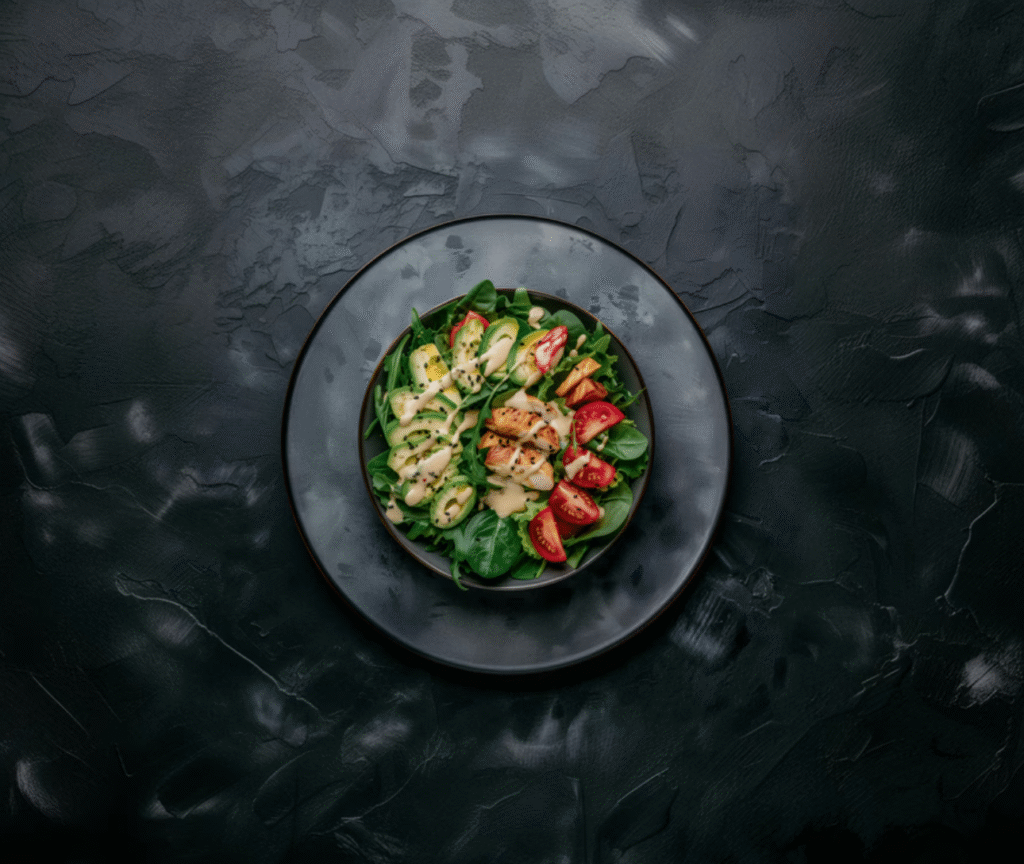
Five fundamental elements of effective food product photography
Here are five technical and design-driven essentials to get right:
- Use a prime lens for sharpness. A 50 mm prime lens (or equivalent) is a solid starting point—it delivers crisp detail and helps your food leap out of the frame.
- Use a tripod to steady your shots. Camera stability avoids blur, ensures precision, and helps maintain consistent angles across a shoot.
- Light it right. Choose between natural or artificial lighting depending on your environment. Natural light is free and beautiful; artificial gives you control. If doing video later, continuous lighting may be worth the investment.
- Use softboxes to soften harsh artificial light. Harsh shadows can make food look off; softboxes diffuse light to create a more appetising and polished appearance.
- Select backdrops that fit your brand and product. A simple marble board, decorated piece of cardboard, or a textured surface all have a place depending on the story you’re telling. The right backdrop elevates the food without distracting.
Seven practical tips for executing stronger food shoots
- Start with a shot list. Before the shoot, decide how many angles, how many close-ups, whether you’ll include hand models, aerials, etc. Planning reduces chaos on the day.
- Choose the right camera settings—or even use a smartphone. Great food photos don’t require the most expensive camera. With a smartphone in portrait mode you can capture sharp detail. If you have access to DSLR gear, use it—but budget options can still deliver if you follow sound technique.
- Maintain consistent styling. Even if you want a casual or “messy” feel, the food still needs to appear appetising. Ensure props and plates are clean, backgrounds wrinkle-free, spacing harmonious.
- Respect utensil etiquette. It may seem minor, but proper placement of forks/knives, chopsticks and other utensils adds authenticity and avoids distracting viewers—especially those familiar with dining conventions.
- Add meaningful props. Simple items—coffee mug, sprig of herbs, butcher block, fresh fruit—help tell the story of your product. Choose them thoughtfully to complement the food, not compete.
- Stay true to your brand. Whether your identity is bold and colourful or subtle and refined, your photography should reflect that. Consistent use of colours, mood boards, prop styles helps the images feel cohesive and recognisable.
- Re-emphasise the tripod. Yes—it’s worth repeating. A tripod ensures your angle, lighting and positioning remain uniform across all shots. That consistency makes your brand look professional.
Bring it all together
In short: whether you’re a brand producing snack packs, a food-blogger photographing meals, or an e-commerce store listing gourmet goods, strong food product photography is non-negotiable. The right image doesn’t just depict the product—it invites the viewer in, makes them imagine the experience, and ultimately nudges them toward purchase. By combining thoughtful equipment choices, well-planned production, consistent styling and brand identity, you elevate your food photography from functional to strategic.
When done well, your food product photography becomes an investment—not an expense—and one that can pay dividends in visibility, customer engagement and sales.